Cuisine
Spanish cooking on the kamado
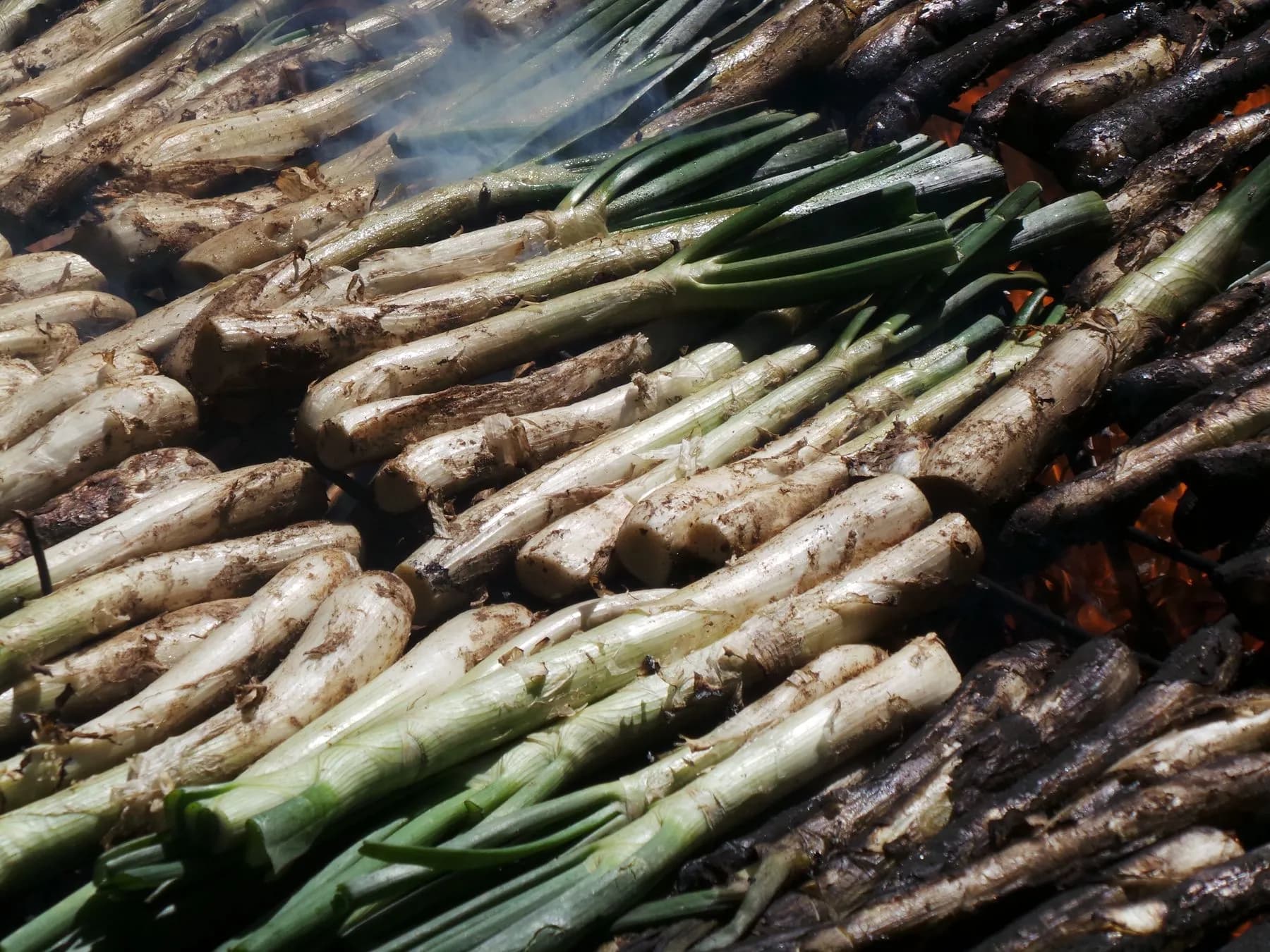
Spanish cooking has worked with embers and wood-fired ovens for centuries, and the kamado fits that tradition without forcing it. Alicante rice dishes, salt-baked fish, Galician rib-eye, suckling pig, calçots, escalivada and classic desserts.
40 recipes
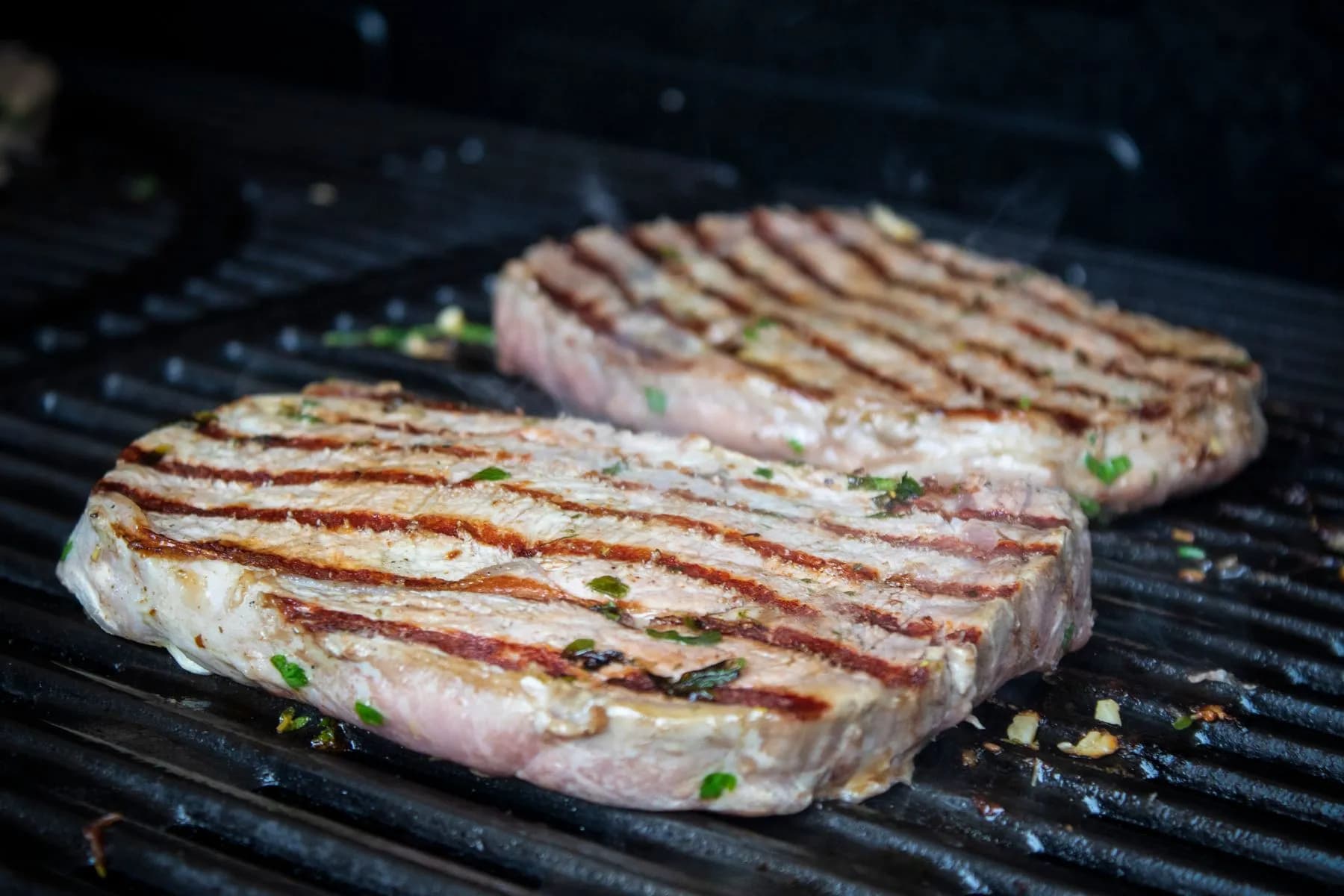
Spanish cooking suits a kamado because almost everything revolves around embers and produce: a live fire at 250-300 °C for fish, shellfish and vegetables, and indirect heat at 160-180 °C for roasts, rice dishes and stews in clay or cast iron. The ceramic holds steady heat with the lid closed, so a leg of lamb or a pan of baked rice no longer depends on a wood-fired oven.
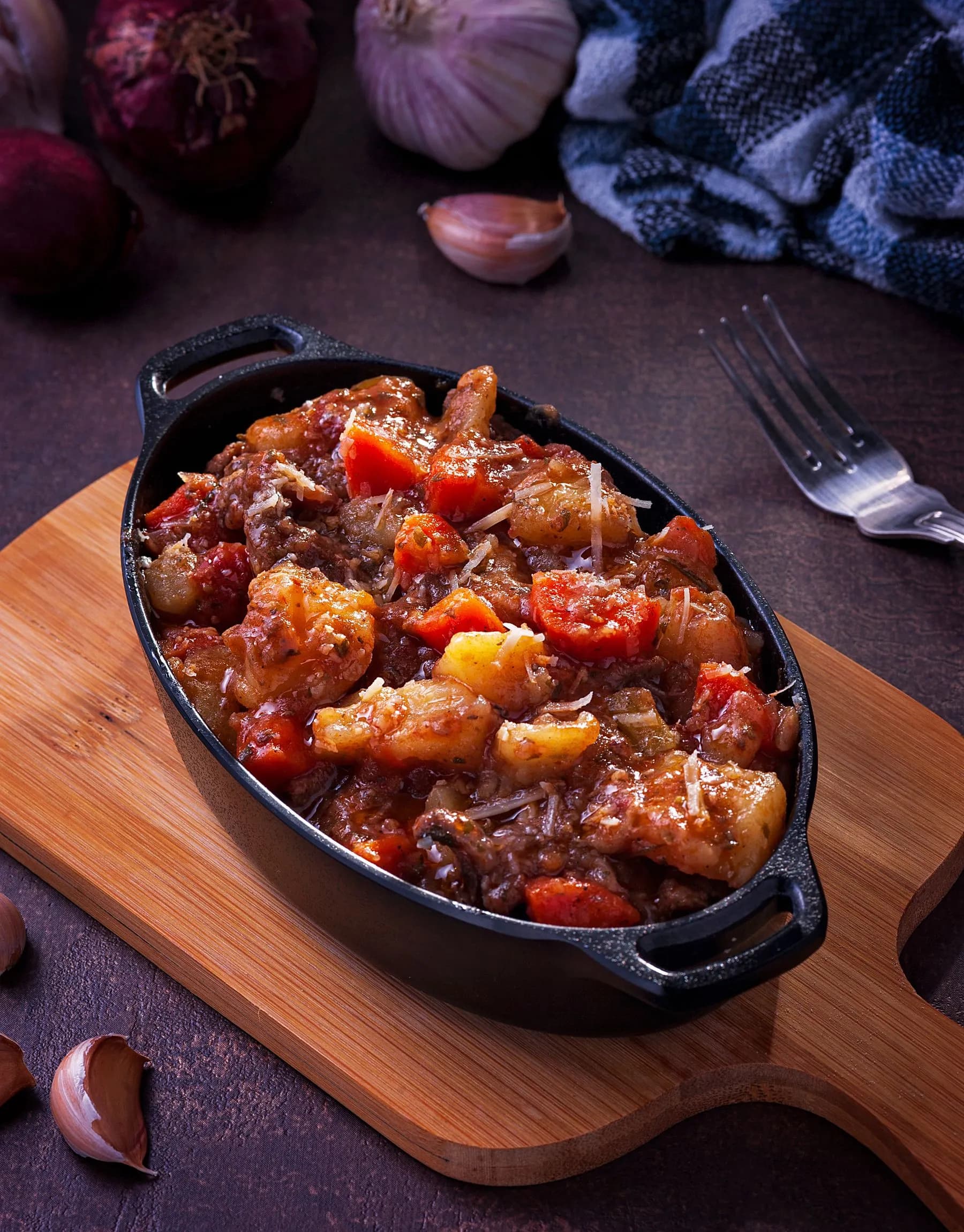
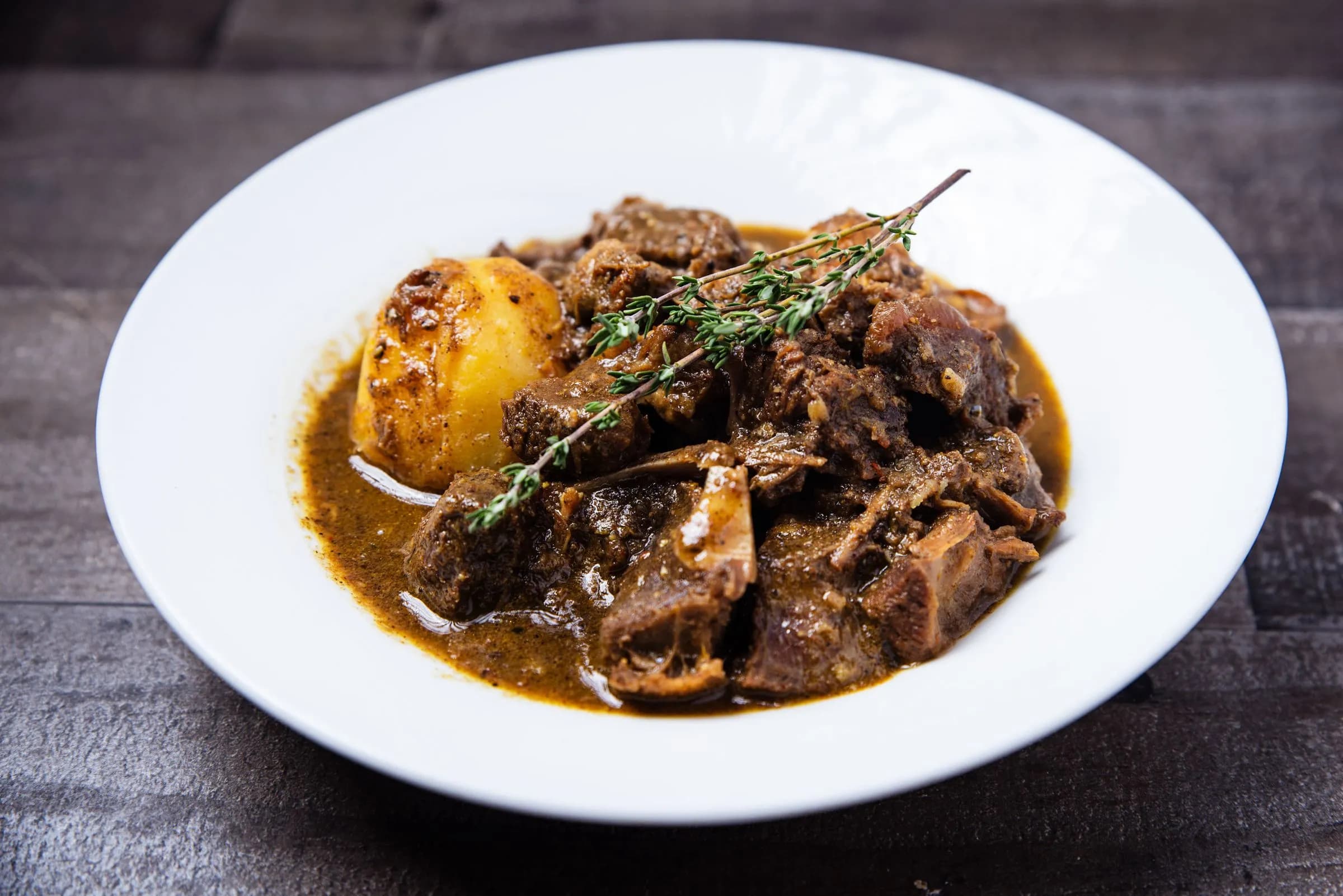
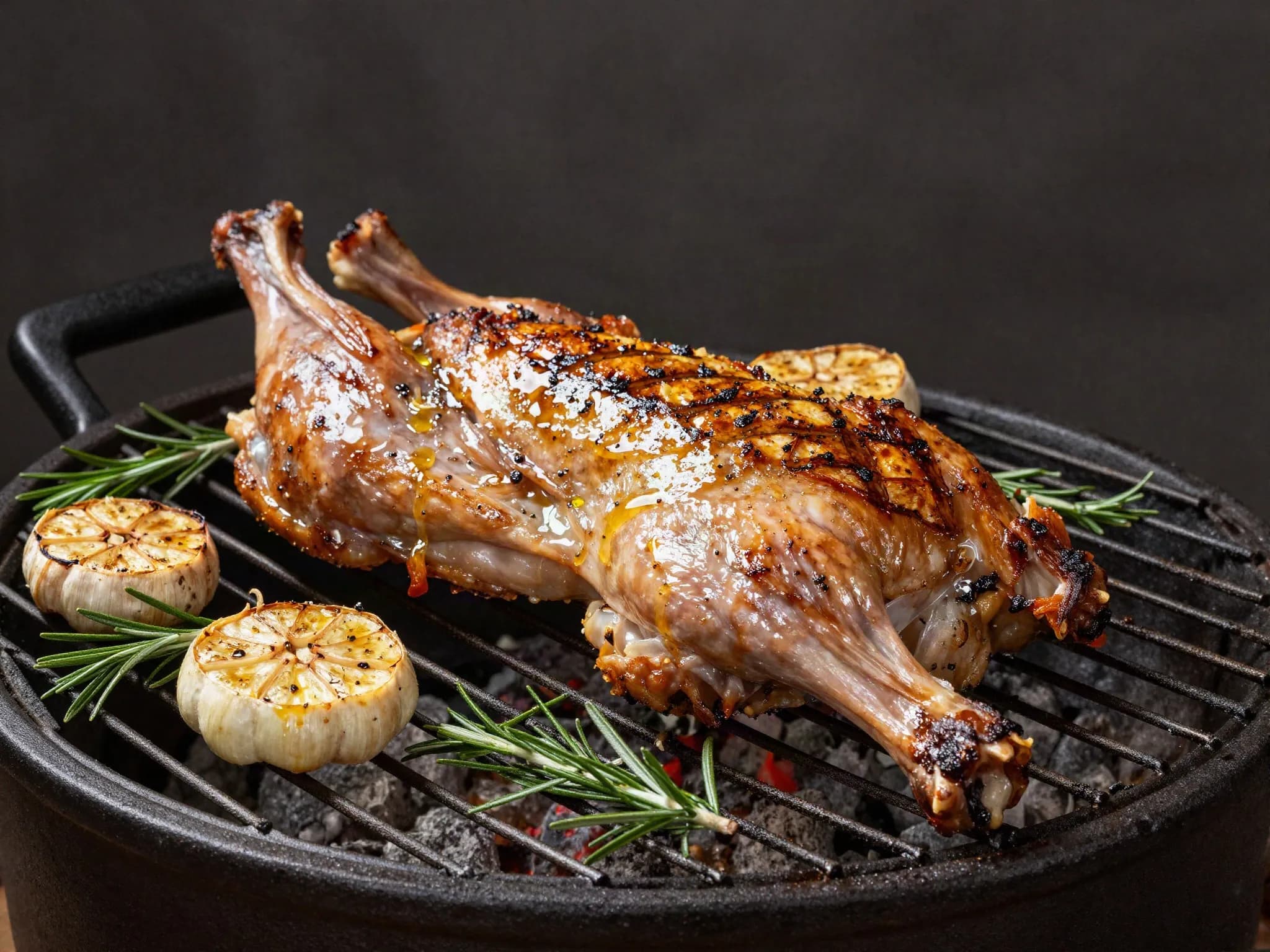
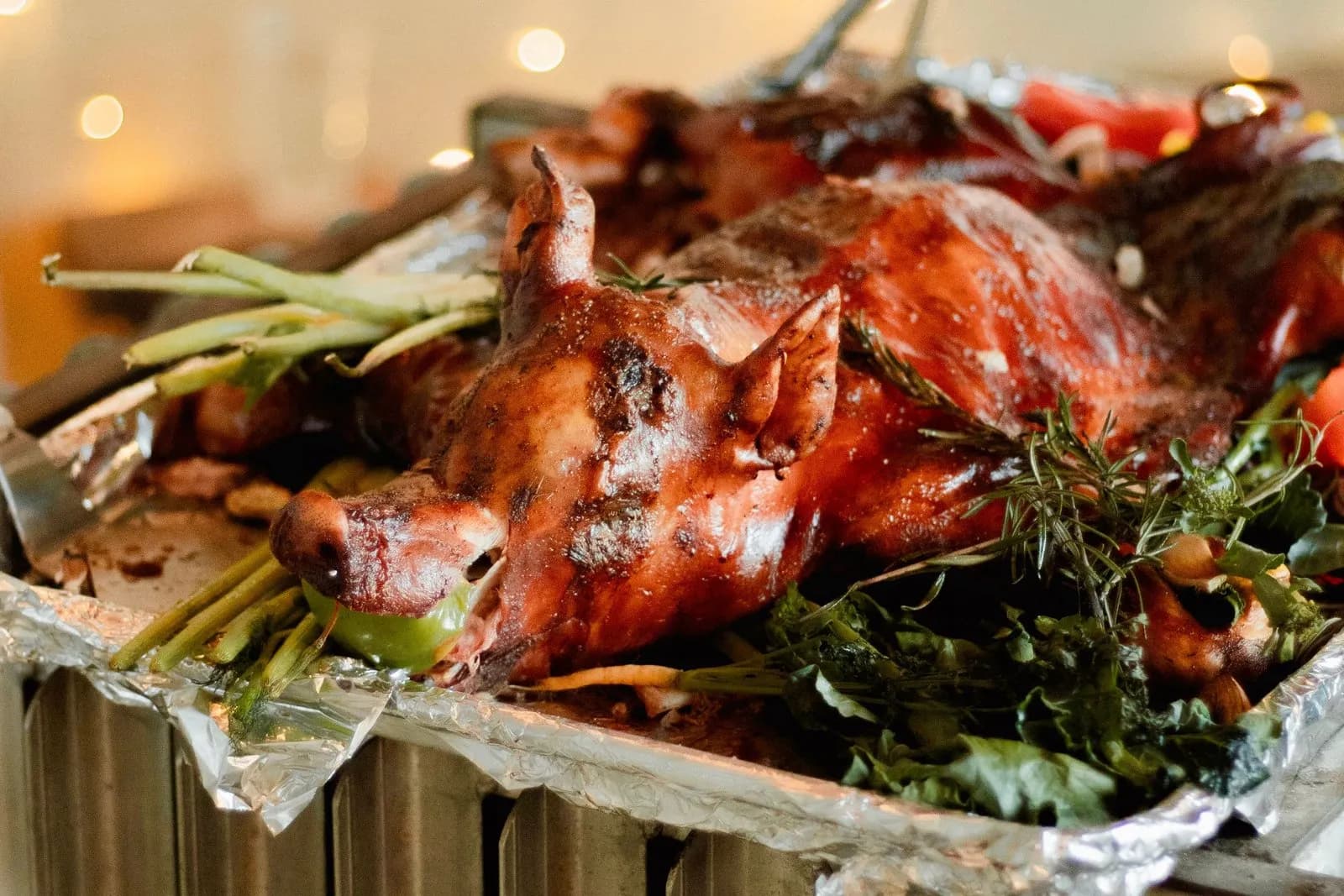
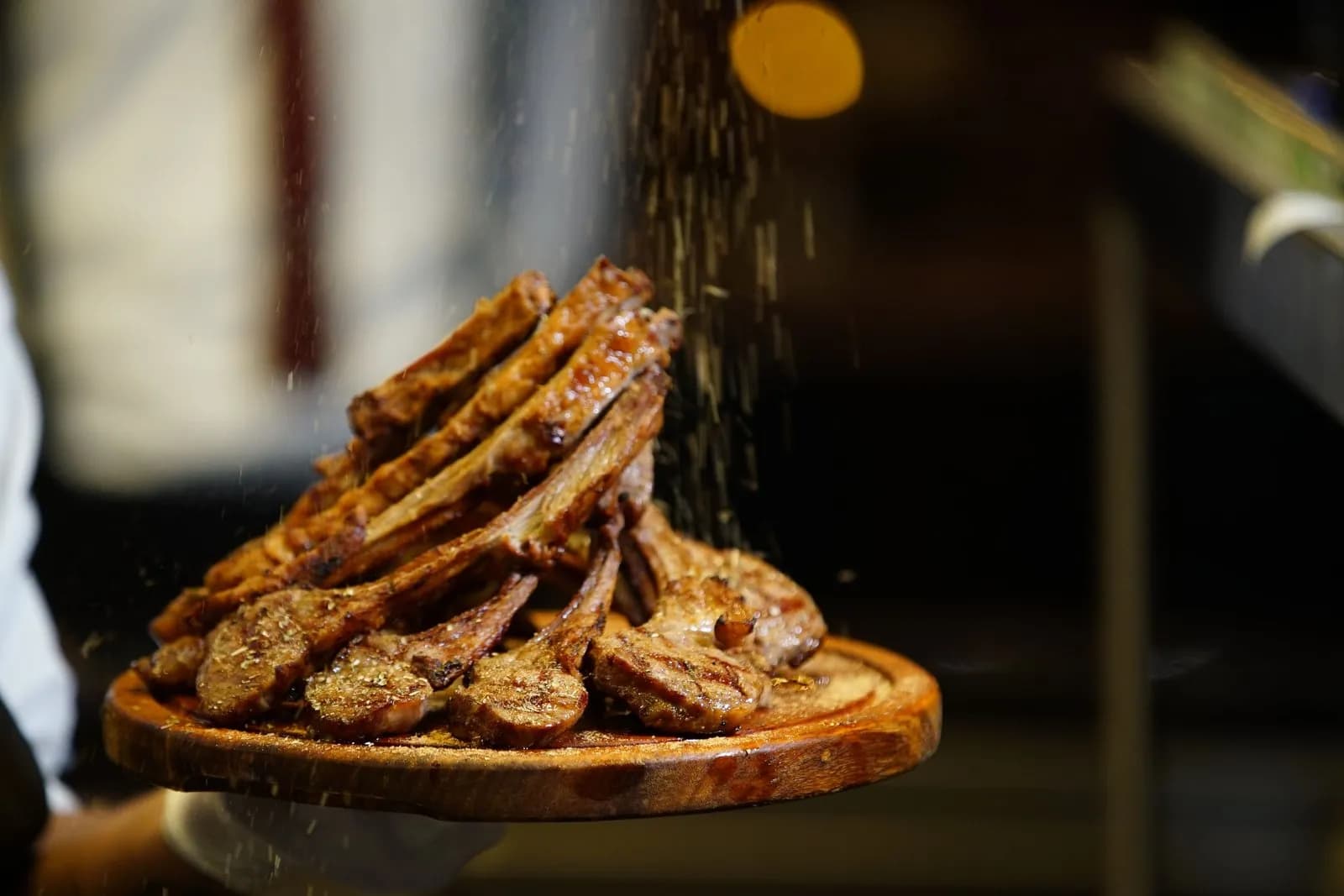
The arroz a banda teaches you to run a paella pan over direct heat and to listen for the socarrat in the final minutes. The suckling lamb chops are the simplest lesson: salt, hot embers and very little time per side. The escalivada shows that vegetables can sit right on the coals until the skin blackens and the flesh turns smoky. The espeto sardines are skewered and cooked close to the heat, with the skin as protection. The quartered suckling pig explains how to get crackling skin over indirect heat, and the oxtail stew moves an hours-long braise into a cocotte inside the ceramic, where the heat wraps around the pot without needing to be watched.
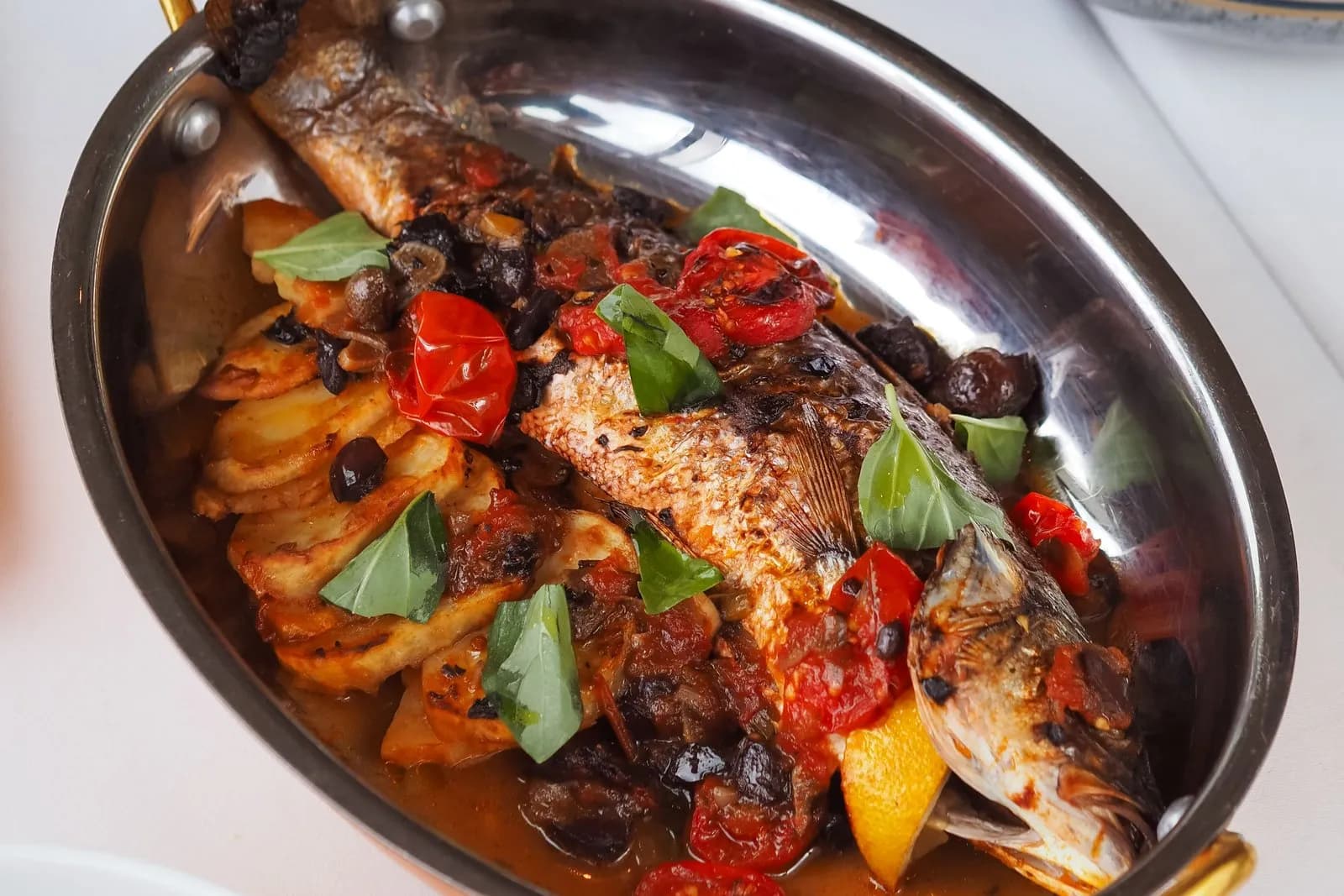
The usual mistake is treating the kamado like a gas grill and lifting the lid every two minutes: each opening feeds the charcoal and sends the temperature up, and in ceramic it is slow to come back down. For rice and fish, keep the lid shut and adjust with the vents, not by opening it. The produce matters more than the recipe: in the Vega Baja south of Alicante, artichokes, prawns and fish from the local market change with the season, so it pays to shop first and plan the menu afterwards. For setting up the fire to suit each dish, see direct and indirect cooking and the temperature chart.