Cuisine
Latin American cooking on the kamado
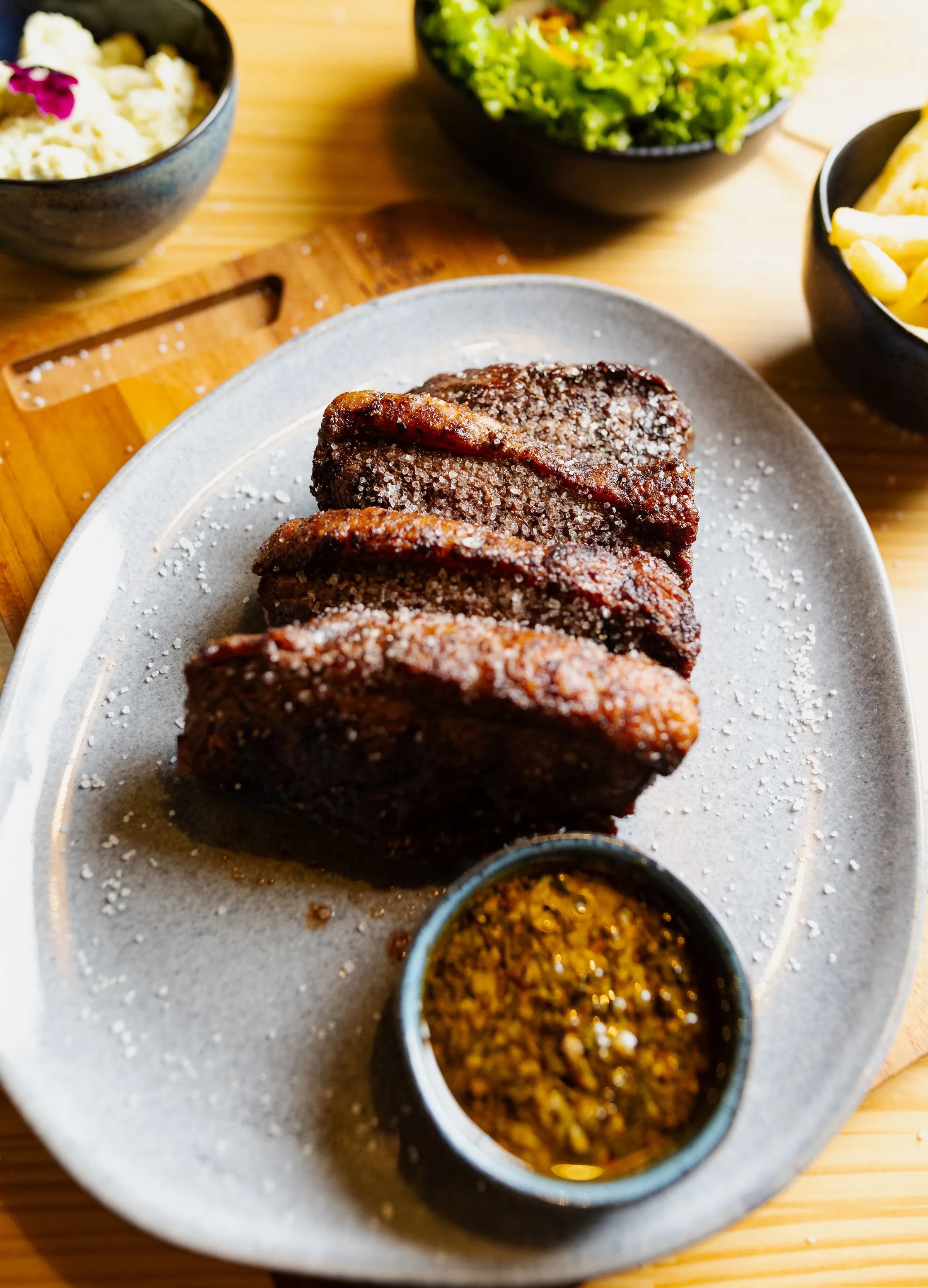
Argentina, Brazil, Mexico and Venezuela have some of the strongest grilling cultures in the world. Picanha with chimichurri, provoleta, elote, arepas and rum-grilled pineapple, adapted to the kamado's ceramic.
6 recipes
Latin American cooking on a kamado centres on direct embers and thick cuts of meat: a whole picanha with chimichurri, elote-style grilled corn, arepas on a budare. Almost everything goes direct at 230-280 °C, with some indirect cooking for whole joints or fish. The kamado adds what an open grill lacks: a lid and fine control of the airflow.
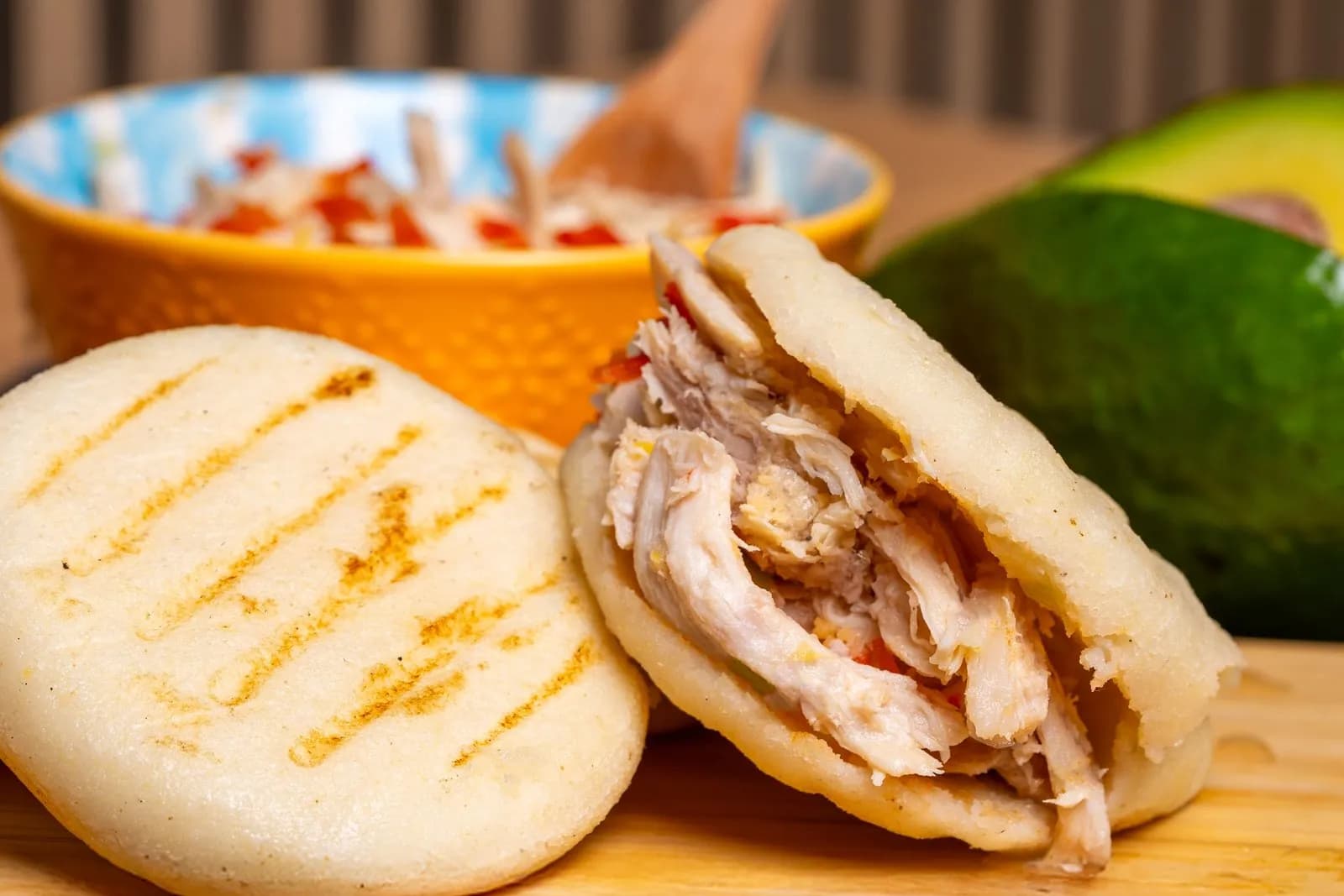
The reverse-seared picanha is the core recipe: gentle indirect heat until it nears doneness, then live embers for the fat crust, and a chimichurri that cuts through the richness. The elote-style corn is charred over direct heat until the kernels are marked, then coated in sauce. The reina pepiada arepas use a budare or cast-iron pan as a griddle, and the grilled provolone melts in iron without dripping through the grate. The guajillo smoked salmon slows things down with gentle indirect heat, and the rum-grilled pineapple ends the meal using the last of the embers.
The common mistake with picanha is trimming off the fat cap: it protects the meat and carries the flavour, so leave it whole and score it in a diamond pattern without cutting into the meat. In Spain it is sold as tapilla, and it is worth asking the butcher to keep the fat on, because it is often trimmed by default. For arepas, look for precooked maize flour, not polenta or tortilla flour, or the dough will crack. Cut equivalents are in meat cuts in Spain and target temperatures in the temperature chart.